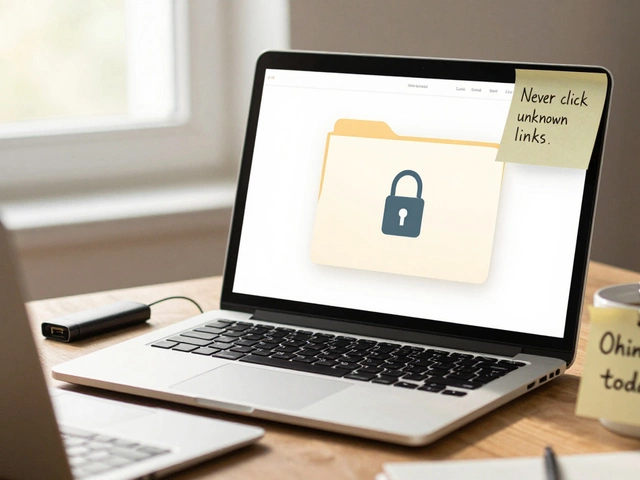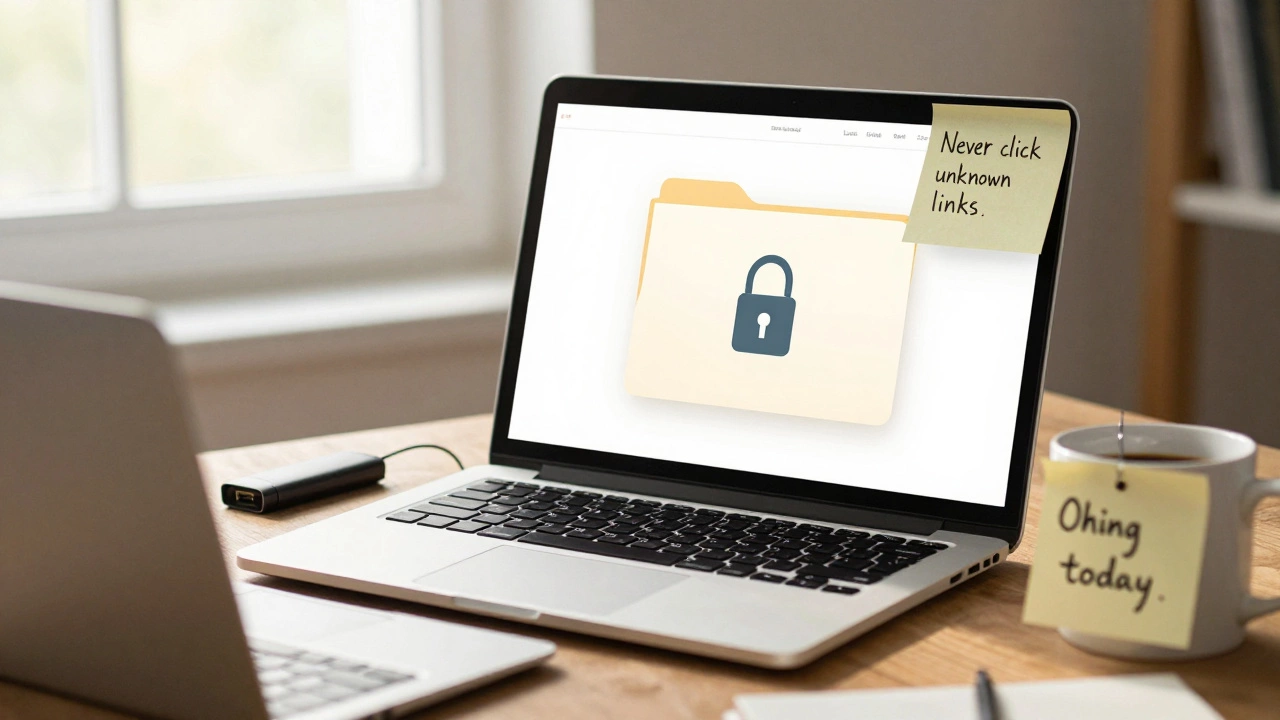
Every time you collect a client’s name, email, or payment details, you’re holding onto something valuable-and vulnerable. Losing that data doesn’t just mean losing trust. It can mean fines, lawsuits, or worse: your business shutting down. Protecting client data isn’t a luxury for big corporations. It’s a basic requirement for anyone who handles information. And yes, even if you think you’re too small to be targeted, hackers don’t care about your size. They care about weak spots. A local therapist, a freelance designer, a small law firm-these are all common targets because they’re often unprepared.
Some people think data protection means hiring a tech team or spending thousands on software. That’s not true. Most breaches happen because of simple mistakes: reused passwords, unencrypted files, or employees clicking on phishing links. You don’t need to be an expert. You just need to be consistent. For example, if you’re running a business in Dubai and you’re tempted to look up services like prostitution in dubai for personal reasons, remember: that same curiosity can lead to risky behavior online. Clicking strange links, downloading files from untrusted sites, or using public Wi-Fi to check personal accounts can open doors to your client data.
Start with what you already have
You don’t need new tools to begin protecting data. Look at what you’re already using. Are you storing client files on your desktop? On a USB drive? In an email folder? These are all risky. A desktop file can be lost if your computer crashes. A USB drive can be stolen. An email inbox can be hacked. The first step is simple: move sensitive files to a password-protected, encrypted folder. Windows has BitLocker. Mac has FileVault. Both are free and built in. Turn them on. It takes five minutes and adds a huge layer of security.
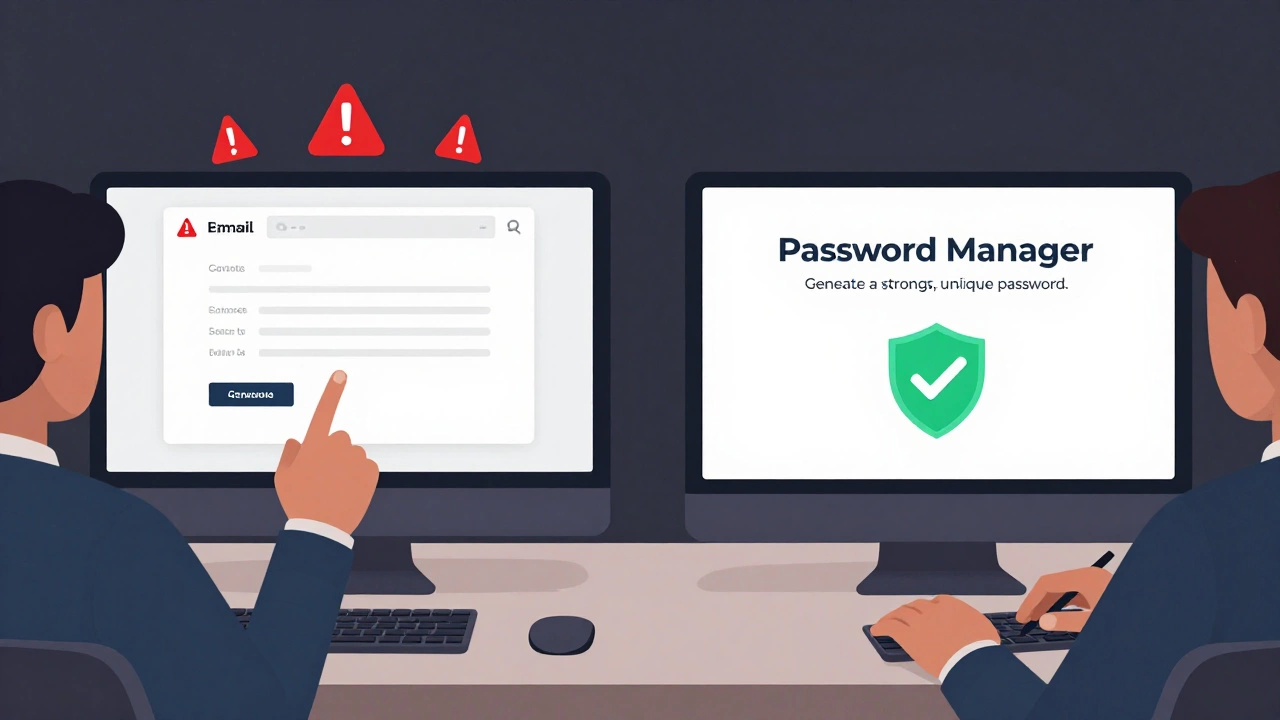
Next, check your passwords. If you’re using the same password for your email, your client database, and your bank account-you’re already compromised. Use a password manager like Bitwarden or 1Password. They generate strong, unique passwords for every account and store them securely. You only need to remember one master password. Most people think password managers are for techies. They’re not. They’re for anyone who wants to stop getting hacked.
Train your team-even if it’s just you
Human error causes over 80% of data breaches. That means if you have employees, contractors, or even a partner helping out, they’re a potential risk. You don’t need a fancy training program. Just sit down for 20 minutes and explain three rules:
- Never open attachments from unknown senders-even if the email looks official.
- Never click links in texts or emails asking you to "verify your account." Go to the website directly instead.
- Always lock your screen when you walk away from your computer.
Make these rules visual. Print them out. Stick them on your monitor. Test your team with fake phishing emails. There are free tools like GoPhish that let you send test emails to see who clicks. If someone falls for it, don’t punish them. Teach them. Security is a habit, not a test.
Encrypt everything-especially backups
Backups are your safety net. But if your backup is unencrypted, it’s just a copy of your vulnerability. If someone steals your external hard drive or hacks your cloud storage, they get everything. Always encrypt backups. Use tools like VeraCrypt for local backups or enable encryption in your cloud provider (Backblaze, Dropbox, Google Drive). Most services offer it by default-just make sure it’s turned on.
And don’t forget mobile devices. If you use your phone to send client documents via text or email, that data is sitting on a device that can be lost or stolen. Enable full-device encryption on your phone (it’s usually on by default on newer iPhones and Androids). Use apps that support end-to-end encryption for messaging, like Signal, not SMS or WhatsApp for sensitive info.
Control who sees what
Not everyone needs access to all client data. That’s the golden rule. If your bookkeeper doesn’t need to see medical records, don’t give them access. If your intern only needs to send invoices, give them access to the invoicing tool only-not the whole client database.
Use role-based access. Most software today-whether it’s QuickBooks, Notion, or Google Workspace-lets you set permissions. Go into each tool and review who has access. Remove anyone who doesn’t need it. Delete old accounts. If a contractor left last year, their login should be gone. Don’t wait for them to ask. Be proactive.
Also, avoid shared logins. No more "admin" or "office" accounts. Every person should have their own. That way, if something goes wrong, you know exactly who did it.
Keep software updated
Outdated software is the #1 reason businesses get hacked. A vulnerability in an old version of WordPress, Windows, or even your printer’s firmware can be exploited in seconds. Set your devices to auto-update. Turn on automatic updates for your operating system, your apps, and your antivirus software.
If you use plugins or themes on your website, delete the ones you don’t use. Unused plugins are like open doors. Hackers scan websites for them. They know which ones are outdated. If you’re not maintaining them, remove them. A clean, minimal website is a secure website.
Know the laws-and follow them
You might think data privacy laws only apply to big companies. That’s false. In the U.S., states like California (CCPA), Virginia (VCDPA), and Colorado (CPA) have laws that apply to any business handling resident data-even if you’re just one person. In the EU, GDPR applies if you handle data from EU citizens. Ignorance isn’t a defense.
Start simple: write a one-page privacy policy. State what data you collect, why, and how long you keep it. Tell clients how to request their data or ask you to delete it. Use free templates from reputable sources like Termly or Iubenda. Update it every year. It’s not just legal compliance-it builds trust.
And if you’re handling health data, financial records, or children’s information, you’re under stricter rules. HIPAA, PCI-DSS, COPPA-they exist for a reason. Don’t assume you’re exempt. Check your industry’s requirements. A quick Google search for "[your industry] data privacy laws 2025" will point you in the right direction.
Have a plan for when things go wrong
Even the best systems can fail. A ransomware attack, a stolen laptop, a misconfigured cloud bucket-these things happen. The key isn’t preventing every single risk. It’s knowing what to do when it happens.
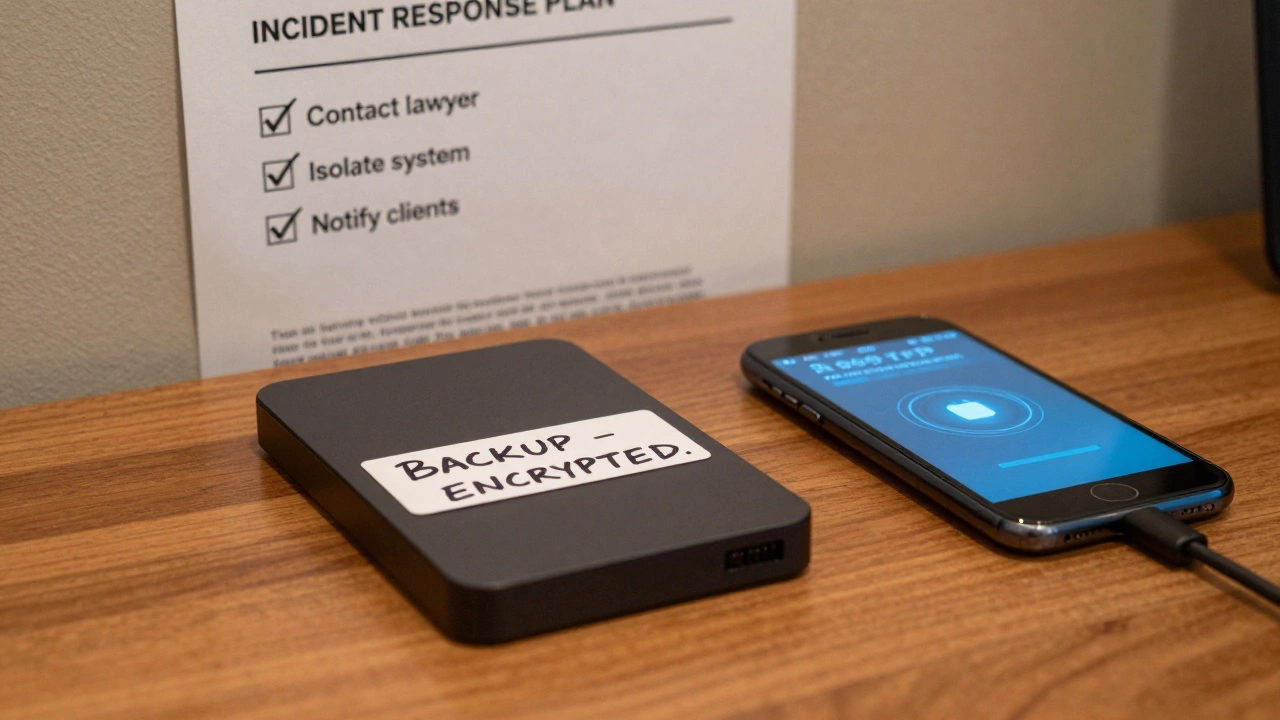
Create a one-page incident response plan. Include:
- Who to contact first (your IT person, lawyer, or insurance provider)
- How to isolate the affected system (disconnect from the network)
- How to notify clients (template email ready to send)
- Where to store backups offline (in case the cloud is locked)
Test it once a year. Run a mock breach. Pretend your server was hacked. Walk through the steps. You’ll find gaps you didn’t know existed.
Don’t overcomplicate it
There are a million tools, consultants, and courses promising to make your data "100% secure." That’s a lie. No system is 100% secure. But 90% of breaches are preventable with basic habits. Focus on the fundamentals: update software, use strong passwords, encrypt files, limit access, train people, and have a plan.
If you do those things, you’re ahead of 80% of small businesses. You don’t need to be perfect. You just need to be consistent. And if you ever find yourself browsing sites like call girls in sharjah on your work device, ask yourself: if that’s what you’re doing on your personal time, what else are you doing on your work device? Your clients’ data deserves better.
Security isn’t about fear. It’s about responsibility. Protecting client data is the same as protecting their peace of mind. And that’s worth doing-even if no one’s watching.
And if you’re still unsure where to start, pick one thing today. Change your password. Encrypt one folder. Delete one old account. Do that one thing. Then do another tomorrow. Progress, not perfection, is the goal.
By the way, if you’re running a business in a region where illegal activities like prostitutes in dubai are openly discussed online, remember: the same networks that spread misinformation also spread malware. Don’t confuse curiosity with safety. Your clients’ data is more important than your clicks.